- info@upandrunningdubai.com
- 04 518 5400

Corporate Wellness · Ergonomics
Your Desk Is Shaping Your Body. Let’s Fix That.
Below you’ll find the key takeaways, your red flag checklist, and a free white paper to keep — plus a direct route to our team if you need support.
Desk Setup
Chair Adjustment
Screen & Eye Level
Calls & Meetings
Movement Habits
Common Problems
When to Seek Help
Desk Setup
Chair Adjustment
Screen & Eye Level
Calls & Meetings
Movement Habits
Common Problems
When to Seek Help
Expertise
Seven Topics. One Goal — Keeping You Comfortable, Healthy, and Productive at Your Desk.
Get back to living pain-free with specialized treatment for foot and ankle conditions. From sports injuries to everyday foot health, we help you move with confidence.
01
Desk Setup
Build the workstation around you, not the desk. Variable height desks should be adjusted to your body — not the other way around.
02
Keyboards & Typing
Elbows supported, wrists neutral. A separate keyboard is always preferable to a laptop — laptop keyboards force rounded shoulders.
03
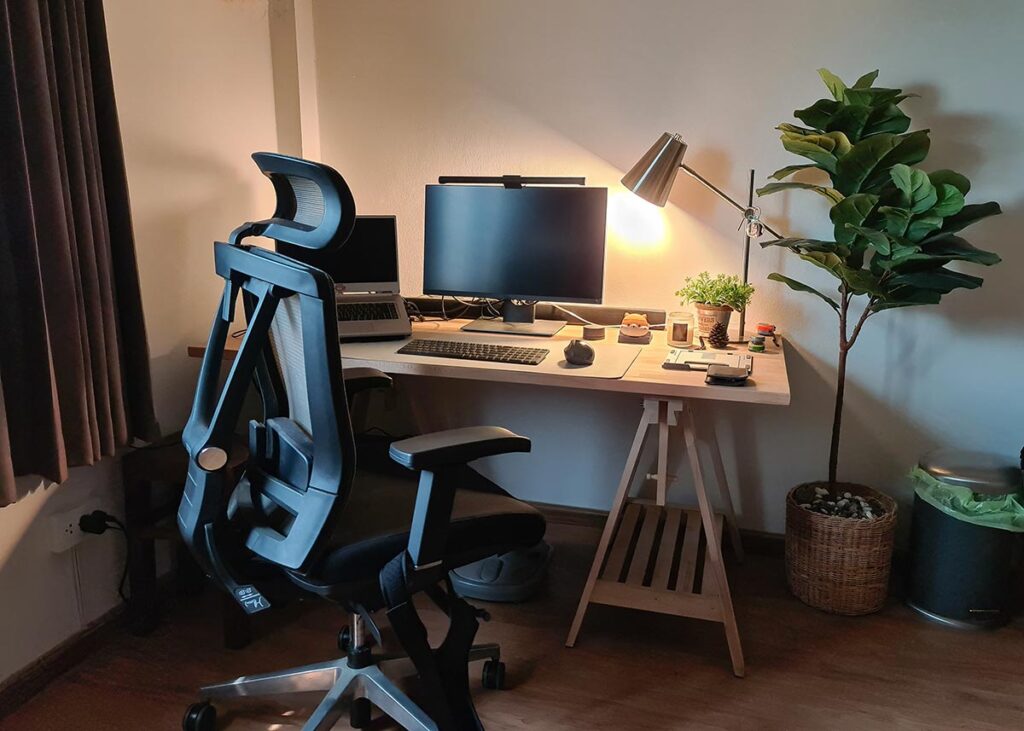
Chair Adjustment
Seven steps: feet flat, knees at 90°, neutral pelvis, arm rests at desk height, back support meeting your upper back, lumbar support, head rest if present.
04
Screen & Eye Level
Natural eye line at the top third of the screen — not the centre. Screen directly in front, never twisted. Adjust for your software type: Excel users sit lower.
05
Calls & Meetings
Camera off when not needed — you can move freely. Audio-only calls are an opportunity to walk. Book calls before lunch for brevity and less static time.
06
Self-Help & Habits
Every 20 minutes: a small posture reset. Every 60 minutes: get up, move, hydrate. Brugger's Relief Position is your reset button — practice it daily.
07
Common Problems
Headaches, upper back stiffness, low back pain, restless legs, tingling hands, pain on standing — all have ergonomic root causes and practical fixes.
When to Stop Managing It Yourself
Red Flags — Five Signs It’s Time to See a Clinician
Self-help and workstation adjustments resolve most desk-related complaints. But some symptoms need professional assessment. Don’t wait if you experience any of the following.
Pain that persists more than 2–3 weeks despite workstation adjustments
Symptoms that wake you at night
Tingling, numbness, or weakness in the arms or hands
Pain that radiates from the neck into the shoulder or arm
Headaches that are frequent or getting progressively worse
Free Download
The Desk-Bound Professional — An Ergonomic Guide to Working Without Pain
A comprehensive clinical white paper covering everything from workstation setup and chair adjustment to movement habits, common conditions, and when to seek specialist help. Written by the Up and Running clinical team for DIFC professionals.

The Desk-Bound Professional — An Ergonomic Guide to Working Without Pain
A 45-minute assessment with one of our specialist clinicians will identify the root cause of your discomfort and give you a clear treatment plan — not just advice to sit better.
- 5 locations across Dubai
Still in Pain? Let’s Assess It Properly.
If you have questions about your posture, discomfort, or an injury you’ve been managing, our clinical team is here. We offer specialist musculoskeletal physicians, physiotherapy, chiropractic, osteopathy and corporate wellness.
- Postural and Ergonomic Assessments
- Physiotherapy — neck, back, shoulder, upper limb
- Chiropractic care — spinal and joint
- Sports Medicine — All musculoskeletal conditions
- Same-day appointments available
- Direct billing — selected insurers