Pelvic pain is a condition that can significantly impact both male and females, yet it often goes
undiagnosed or overlooked. Understanding the importance of diagnosing pelvic pain and employing effective rehabilitation strategies is crucial for achieving long-term relief and restoring normal function. Despite its prevalence, many individuals suffer in silence, either due to misdiagnosis, ignorance of the condition, or simply resigning themselves to living with the pain.
WHAT IS PELVIC PAIN?
Pelvic pain refers to discomfort or pain in the lower abdomen, pelvis, or perineum. It can be acute or chronic and can range from a dull ache to sharp, debilitating pain. The complexity of the pelvic
region, with its myriad of organs, muscles, and nerves, means that pelvic pain can have numerous
underlying causes.
WHY DOES PELVIC PAIN OFTEN GOES UNDIAGNOSED?
Due to the complexity and variety of symptoms, pelvic pain can manifest in many ways, Symptoms
can include pain during intercourse, urination, or bowel movements, as well as lower back pain and
abdominal discomfort. This variety can lead to misdiagnosis or an assumption that pain is a normal part of life.
Discussing pelvic pain can be uncomfortable for many individuals due to the intimate nature of the symptoms. This embarrassment often leads to delays in seeking medical help. Unfortunately, pelvic pain is quite often normalized or dismissed as a part of a women’s menstrual cycle, childbirth, or aging. Men may also dismiss their pain, attributing it to physical strain or aging, leading to untreated chronic pain.
COMMON CAUSES OF PELVIC PAIN IN WOMEN
- Endometriosis, a condition where tissue similar to the lining inside the uterus grows outside
the uterus, causing severe pain and sometimes infertility. - Pelvic Inflammatory Disease (PID), an infection of the female reproductive organs that can
cause chronic pelvic pain. - Interstitial Cystitis or Bladder Pain Syndrom a chronic bladder condition causing bladder
pain, irritability and sometimes pelvic pain. - Ovarian Cysts, where fluid-filled sacs on the ovary that can cause pain if they rupture or
twist. - Pelvic floor muscle dysfunction, an umbrella term which includes overactive pelvic floor
conditions such as vaginismus where inserting a tampon or having sex is difficult and / or
painful.
COMMON CAUSES OF PELVIC PAIN IN WOMEN
- Prostatitis, inflammation of the prostate gland, which can cause pain during urination,
ejaculation, or in the lower back and perineum. - Chronic Pelvic Pain Syndrome (CPPS), a condition causing long-term pelvic or perineal pain
without a clear infection or other evident cause. - Inguinal Hernia, a condition where tissue, such as part of the intestine, protrudes through a
weak spot in the abdominal muscles, causing pain.
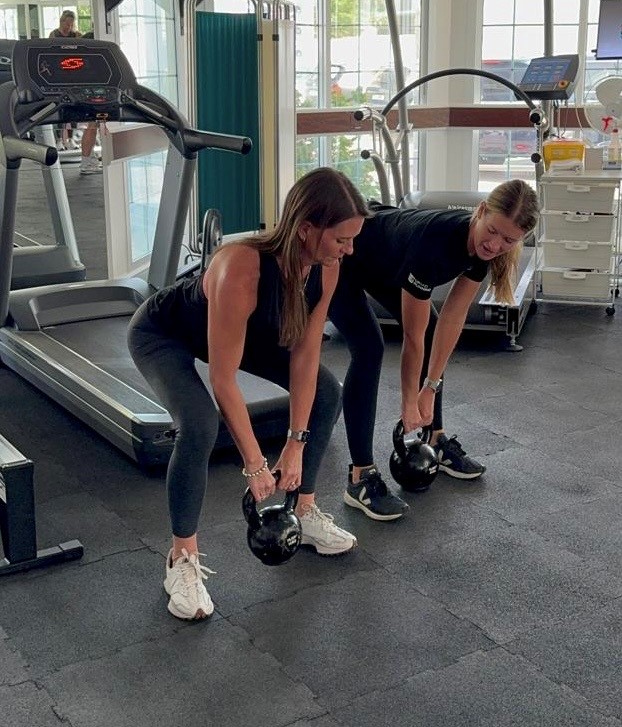
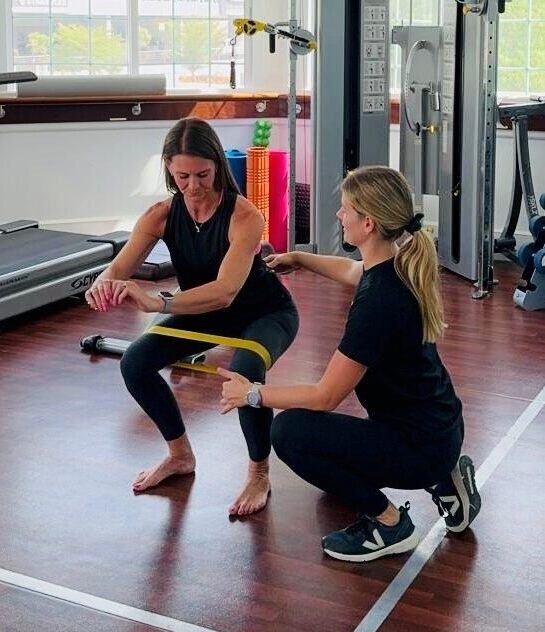
At UPANDRUNNING our Pelvic Health Specialist creates tailored rehabilitation programs, identifying the specific cause of your pain to allow for targeted treatment. Ignoring or living with pelvic pain is not a viable solution and an early diagnosis can prevent potential complications and the progression of underlying conditions and effective management of pain can significantly improve daily functioning and overall quality of life.
Through the design of personalized exercise programs, we seek to assess and rehabilitate pelvic floor muscles, improve core strength, and enhance mobility. We work alongside our women’s health specialist doctor and trusted colleagues to co-ordinate medical investigations and onward referral where necessary.
We are advocates of raising awareness, reducing stigma, and campaigning for better diagnosis and treatment to help those suffering and improve their quality of life.