A sports medicine guide for Dubai’s runners, cyclists and triathletes
You crossed the finish line. The medal is round your neck, the photos are on your phone, and by tomorrow morning the stairs will feel like a mountain. Whether you have just run your first 10K at Dubai Fitness Challenge, finished the Dubai Marathon or completed a triathlon on the Jumeirah coastline, what you do in the hours and days after the race matters almost as much as the training that got you there.
Good recovery helps your body repair, lowers your risk of picking up an injury in the weeks that follow, and gets you back to training feeling strong rather than flat. Here is how our sports medicine team recommends you approach it.
Racing asks more of your body than a normal training session. Over a long event, your muscles take on thousands of small strains, your energy stores run low, and you lose a significant amount of fluid and salt through sweat, especially in the UAE. Your immune system is also working harder than usual for a short while afterward.
None of this is a problem. It is how the body adapts and gets stronger. But it does mean the body needs the right conditions to rebuild, and that is what recovery is about.
Keep moving. It is tempting to sit down the moment you stop, but a gentle 10 to 15 minute walk helps your heart rate settle gradually and can stop you feeling lightheaded.
Rehydrate with salt as well as water. Sip fluids steadily rather than drinking a large amount at once. After a long or hot race, add electrolytes through a sports drink, an electrolyte tablet or salty food. Water on its own is not always enough when you have sweated heavily.
Eat within the first hour. Aim for a combination of carbohydrates to refill your energy stores and protein to help your muscles repair. A banana and a protein shake, a chicken wrap, or Greek yogurt with fruit and granola all work well. If your stomach is unsettled, start with something small and easy, then have a proper meal within a few hours.
Get out of wet kit. Changing into dry clothes helps you stay comfortable and lowers the chance of chafing and blisters becoming sore.
Sleep is where most of your repair happens, so prioritize it. You may find it harder to fall asleep after a race because your body is still buzzing, so keep the evening calm, avoid screens late at night if you can and go to bed at a sensible time.
Celebrate by all means, but keep alcohol modest. It can make dehydration worse and tends to affect sleep quality on the night your body needs it most.
Most people feel the most soreness one to three days after a race, not on the day itself. This is normal. It comes from tiny strains in the muscle fibers, especially from downhill running or a fast finish, and it settles on its own as the muscle repairs.
In this window:
- Move gently every day. A walk, an easy swim or a light spin on the bike improves blood flow and usually helps you feel less stiff. Avoid running hard or lifting heavy weights.
- Keep eating well. Regular meals with good quality protein, plenty of fruit and vegetables and enough carbohydrates support repair.
- Try light massage or a foam roller. Gentle work can ease tightness. Many athletes find a sports massage most helpful two to three days after a long race, once the worst of the soreness has eased.
- Use compression if you like it. Some people find compression socks or tights make their legs feel fresher, particularly on a long flight home after an overseas race.
What about ice baths? Cold water immersion can reduce how sore you feel for a short time, and some athletes enjoy it. Research also suggests that using it regularly after training sessions may slightly reduce the gains your muscles make from that training. After a race, when the aim is simply to feel better, it is a personal choice. During a training block, use it sparingly.
The biggest mistake we see is going back to hard training too soon. You might feel fine after a few days, but deeper repair in your muscles, tendons and joints takes longer than the soreness does.
As a general guide:
| EVENT | EASY MOVEMENT FROM | HARD SESSIONS FROM |
|---|---|---|
| 5K or 10K | The next day | 3 to 7 days |
| Half marathon | 1 to 2 days | 7 to 10 days |
| Marathon | 2 to 3 days | 2 to 3 weeks |
| Sprint or Olympic distance triathlon | 1 to 2 days | 7 to 10 days |
| Half Ironman or Ironman distance triathlon | 3 to 5 days | 3 to 4 weeks |
| Long cycling event or sportive | The next day | 5 to 7 days |
These are starting points, not rules. Your age, training history, how hard you raced and the conditions on the day all make a difference. Listen to your body, and build back with short, easy sessions before adding speed or distance.
Many races here start before sunrise to avoid the worst of the heat, but humidity can still be high, and fluid loss is often greater than people realize. If you finish feeling dizzy, confused, unusually tired or unable to keep fluids down, stop and speak to the medical team on site straight away. In the days after, keep an eye on your hydration: pale yellow urine is a good sign you are getting enough fluid.
General aching in both legs that gradually improves is part of recovery. Some signs, however, suggest something more than soreness and are worth getting looked at:
- Sharp pain in one specific spot, rather than general aching
- Pain that gets worse over the days after the race instead of better
- Swelling, bruising or a joint that feels unstable
- Limping, or pain that stops you walking normally
- Pain at night or when you are resting
- Pain when you press on a bone, especially in the foot or shin
- Pain that returns as soon as you try to run again
If you notice any of these, our sports medicine doctors can give you a clear diagnosis and a plan to get you back to training safely.
Seek urgent medical care if you have severe muscle pain with very dark or cola colored urine, or a swollen, painful or warm calf, particularly after a long flight. These are uncommon, but they need prompt attention.
Once you are back to normal training, it is a good time to look back at how the race went. Did one area tire first? Did a niggle appear late in the race? Small issues often show where your body needs more strength or a change in technique, and dealing with them now is much easier than dealing with an injury mid training block.
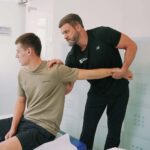
UPANDRUNNING is a physician-led sports medicine and rehabilitation clinic with five locations across Dubai. Our team works with everyone from first time 5K runners to elite triathletes, and recovery after racing is something we help with every day.
- Sports medicine: if pain is not settling, our doctors can assess and diagnose the problem and explain your options clearly.
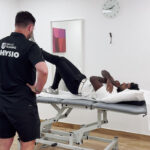
- Physiotherapy: a tailored rehabilitation plan to get you back to running, cycling or swimming without rushing it.
- Sports massage: focused treatment to ease tight, tired muscles in the days after your event.
- Run Clinic: a detailed look at how you run, to help you move more efficiently and reduce your risk of future injury.
- Performance testing and sports nutrition: VO2 max testing and a personalized fueling plan to help you prepare for your next goal.
Still sore after your race? This is worth getting looked at. Call us on 04 518 5400 or send us a WhatsApp on 04 343 9391 and our team will find the right clinician and location for you.
Most runners feel the worst of the soreness ease within three to five days, but full recovery of the muscles, tendons and joints usually takes two to three weeks. Keep running easy and short during that time before returning to hard sessions.
Yes. Muscle soreness usually peaks one to three days after a hard effort, then settles on its own. Pain that keeps getting worse, or sits in one specific spot, is worth getting checked.
Within an hour of finishing, have something with carbohydrates and protein, such as a banana with a protein shake, a chicken wrap or yogurt with fruit. Add salty food or electrolytes if you sweated heavily, then have a proper meal within a few hours.
It is a personal choice. Cold water can ease soreness for a short time, but using it after every training session may slightly reduce the benefits of that training, so use it sparingly during a training block.
Many athletes find a Sports massage most helpful two to three days after a long race, once the worst of the soreness has eased. A very light massage sooner can also feel good.
See a doctor if you have sharp pain in one spot, swelling, limping, pain at night, pain when pressing on a bone, or pain that is getting worse rather than better. Seek urgent care for very dark urine with severe muscle pain, or a swollen, painful calf.
Not Sure Where to Start?
Book an appointment with our doctors. We will create a personalized treatment plan for you.